
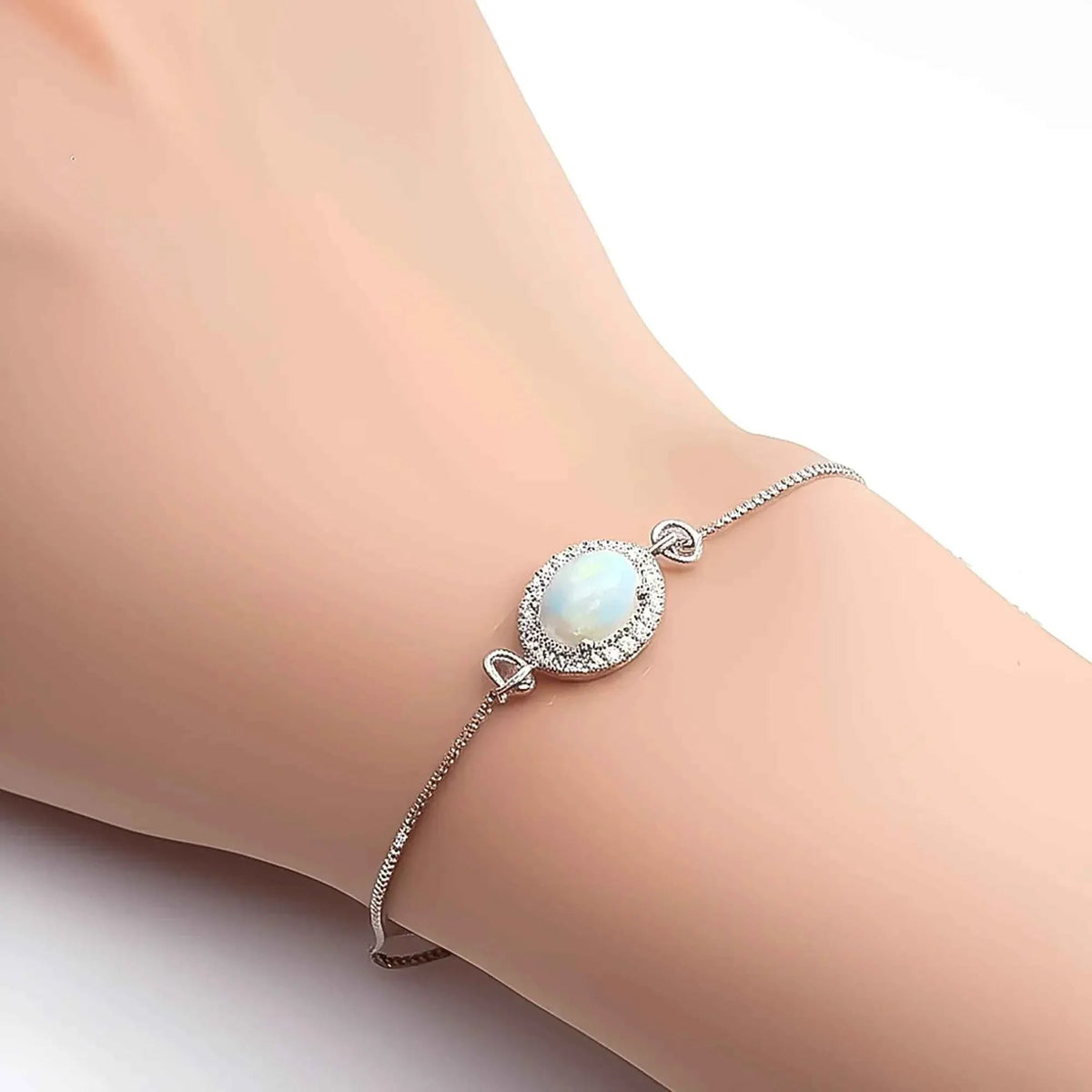

Ethiopian opal deserves more careful handling than many tougher everyday gemstones. Some material from Ethiopia is hydrophane, meaning it can absorb liquid. That is one reason sensible care focuses on avoiding prolonged contact with water and keeping jewelry away from unnecessary chemicals.
Keep contact with liquids brief
Remove opal jewelry before swimming, bathing and activities involving detergents. Perfume, hair products, lotions and oils are best applied before jewelry goes on. If a stone accidentally becomes wet, do not try to speed drying with a heater or intense sunlight. Allow it to return to normal conditions gently and consult a knowledgeable jeweler if its appearance changes.
Clean with a soft, dry approach
For routine dust and fingerprints, lightly wipe the piece with a clean, soft cloth. Avoid soaking Ethiopian opal, ultrasonic machines, steam cleaners and abrasive polish near the stone. A silver polishing cloth can sometimes help with exposed metal, but keep polishing compounds off the gemstone and delicate plating. For heavy buildup, ask a professional experienced with opals.
Protect the stone during wear and storage
Opal is relatively vulnerable to impact and scratching. Rings should come off for gardening, sports and household tasks; pendants and earrings may experience fewer knocks but still need care. Place each piece in its own soft pouch or compartment, away from harder gemstones. Keep it in a stable environment rather than extreme heat or sudden temperature changes.
These simple habits protect both the colorful gemstone and its sterling silver setting.
Explore related pieces: Shop the relevant Himalaya Quartz collection.
Shop Related Products at Himalaya Quartz
Explore these pieces from our current Shopify catalog. Product availability may change.


Related Gemstone Guides
Continue learning with these relevant Himalaya Quartz guides: